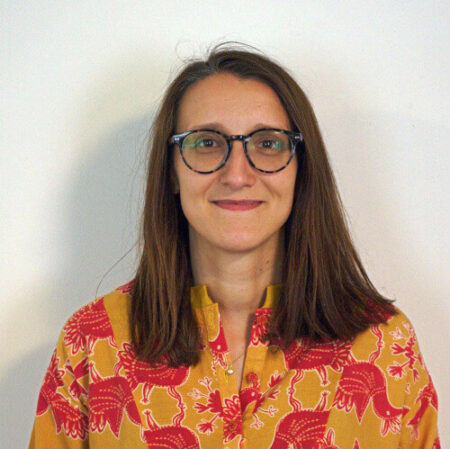
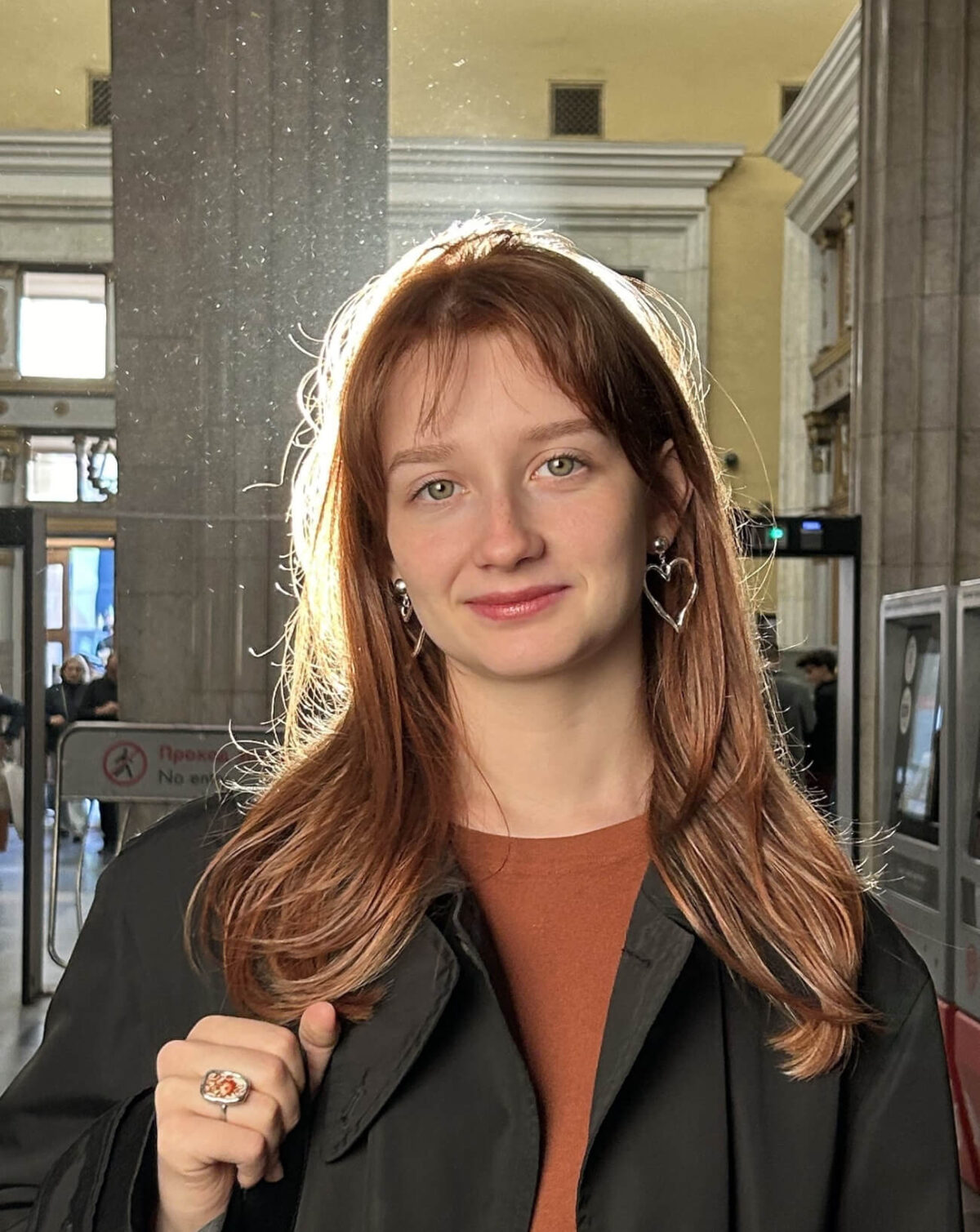
Alumni Spotlight: Nastya (Class of 2019)
Nastya was still in high school in Russia when her dad asked a simple question: would she consider a scholarship programme abroad? The idea felt bold, slightly unrealistic but she opened her laptop and searched anyway. One of the first results was UWC. As she read through the mission and the description of the ideal UWC student, something clicked immediately. She didn’t keep browsing. She didn’t apply elsewhere. She had already been trying to lead sustainability initiatives at her school, often meeting indifference or quiet resistance, and she recognised in UWC exactly the kind of environment she had been looking for, one where initiative, service, and curiosity weren’t unusual traits but shared values. She chose UWC Robert Bosch College as her top choice and when the acceptance arrived, it felt like a perfect match confirmed.
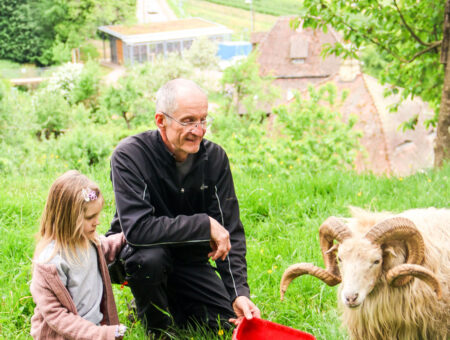
Two years in Freiburg were both exciting and demanding. Homesickness was real, especially in the first year. But so was discovery, new languages, new friendships, new ways of seeing the world and herself. One of the hardest adjustments turned out to be one of the most formative: the intensity of close community. Coming from a more independent way of living, Nastya initially found it challenging to be on a small, tightly connected campus where people noticed each other’s moods, habits, and choices. There was little anonymity, and at times that visibility felt uncomfortable. She would only later recognise it as a gift. Alongside the deeper personal growth, there were the kind of moments that stay with you: project weeks and canoeing in Bavaria, volunteering in Prague, organising a service project in Florence, a snowball fight that swept across the entire campus, cycling out to a horse stable near Freiburg for her service. These weren’t extras. They were central to the learning, building confidence, initiative, and genuine joy in shared effort.
After graduating in 2019, Nastya followed a path that brought together her strengths in biology and mathematics with a real desire to make a difference. A conversation with Hubertus, RBC’s career counsellor, pointed her towards biomedical engineering, a field she had barely considered before. She went on to study at Northwestern University, and today she works as a manufacturing quality engineer at a medical device company, focusing on wearable and portable monitoring technologies. Her role ensures that devices are built consistently and safely, from commercial products to solutions designed for lower-resource settings around the world. She describes her contribution as “a small but real piece” of better healthcare access and more reliable patient monitoring. The path hasn’t been without difficulty. Visa complications have kept her from physically returning to the United States despite holding a valid work status, forcing a period of remote work and real uncertainty. Yet the resilience she traces back to her time at RBC shows up clearly here too, she continues, adapts, and keeps her focus on meaningful work rather than perfect plans.
When Nastya reflects on what UWC gave her, she names three things: the ability to connect across difference, resilience under pressure, and clarity of values. She describes RBC as a kind of internal compass, not a rigid ideology, but a steady reminder of the person she wants to be: open, curious, and motivated to do work that actually matters. She carries that forward through the people around her. Most of her closest friends today are UWC alumni, including her fiancé, a connection that wasn’t engineered but formed naturally through a shared way of seeing the world. Their conversations often return to the same questions: Are we doing work that means something? Does this path still feel true? In a fast-moving world, that kind of shared reflection is its own form of grounding. Nastya’s story isn’t about a sudden transformation or a perfectly mapped-out plan. It’s about a young person who trusted a feeling, found a community that matched her energy, and carried that sense of direction into work that supports real human wellbeing. Sometimes that’s exactly how big missions become real.