He Walked for Hope. Now He’s Building It: Kamal’s RBC Journey
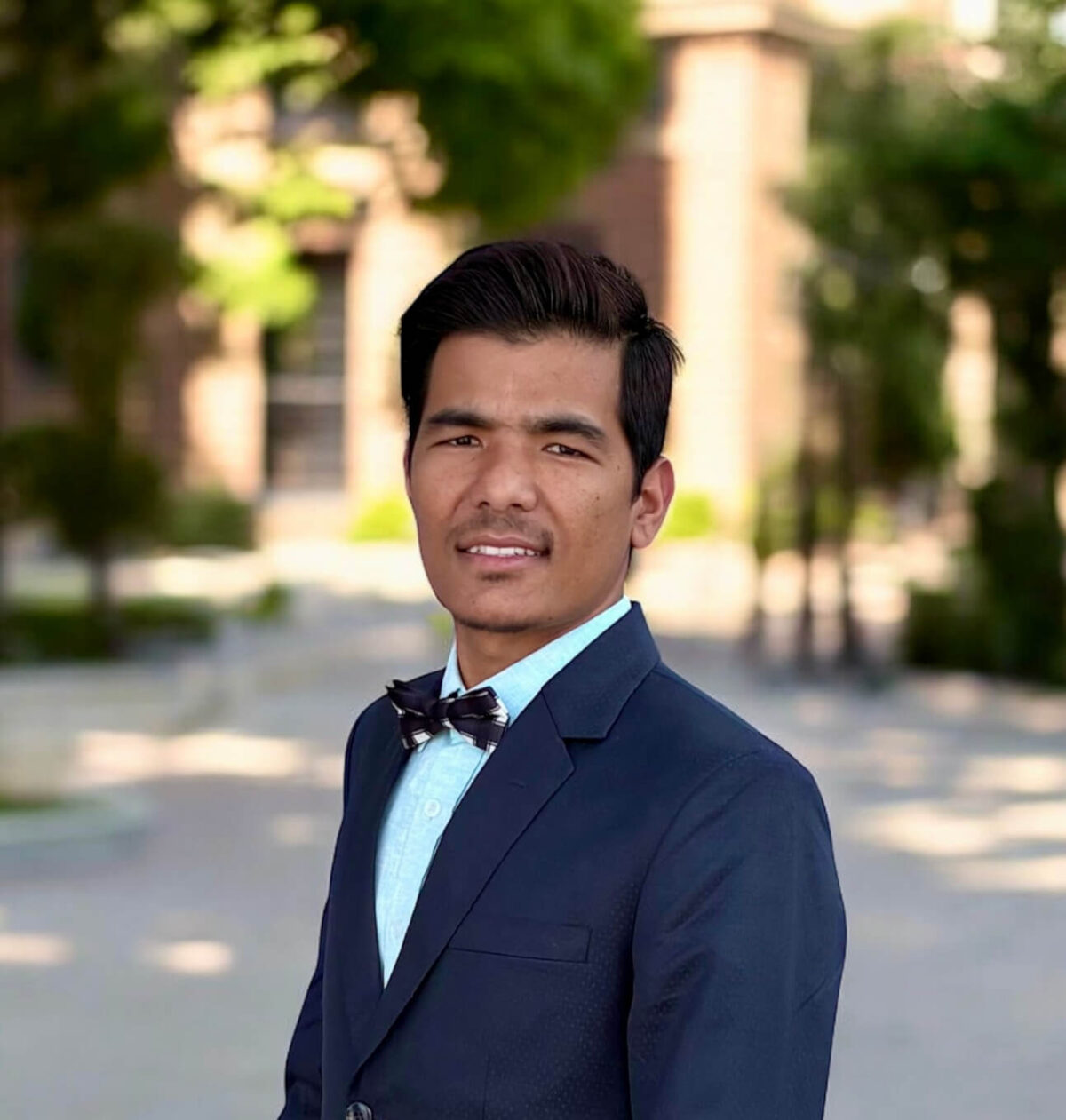
Kamal grew up in a tiny village high in the mountains of upper Nepal, one of the country’s most remote communities. With no roads, no electricity, and only a small school serving around 800 people, daily life demanded resilience from the start. When he was four, his left hand was severely damaged by an unexploded bomb left behind from the Nepalese civil war, an accident that instantly changed how his community viewed his future. In a place where survival depended on farming and physical labour, many assumed he would be left behind. Yet even then, he carried a quiet determination that would shape everything to come. At ten years old, Kamal moved five days’ walk from home to attend school through a scholarship supporting children from isolated Himalayan regions, a move that meant he wouldn’t see his family again for seven years. Even in that environment, surrounded by tradition and expectation, he found himself speaking up, organising classmates, and gently questioning the way things had always been done. One of his teachers recognised this spark and encouraged him to apply to UWC, despite the many barriers: he’d never used a computer, spoke no English, and wrote his application essays on a borrowed phone late at night. And when COVID halted all transport, Kamal simply walked. For 13 days he made his way over high mountain passes to Kathmandu for his UWC interview, crossing snow, rain, and unpredictable weather, driven entirely by hope.
Finding Belonging at UWC Robert Bosch College
Arriving in Germany during the pandemic, Kamal began his time at UWC Robert Bosch College in quarantine and with almost no English. Those early weeks were overwhelming, understanding classmates felt nearly impossible, and navigating daily life in a new culture pushed him far beyond his comfort zone. Yet what he remembers most isn’t the struggle, but the kindness that met him at every turn. Classmates shared notes, translated lessons, and offered encouragement with patience and care. Some became lifelong friends who helped transform classrooms from intimidating spaces into inspiring ones. Through assemblies, corridor conversations, and shared routines with peers from dozens of countries, his confidence grew. His host families played an especially meaningful role, welcoming him into their homes with warmth, celebrating small milestones, and offering a sense of belonging he’d missed for so many years. For someone who had spent much of his childhood far from family, being embraced as “their kid” was profoundly grounding. UWC’s values shifted from abstract ideals into lived realities—visible in shared meals, snowy hikes, and thoughtful late-night conversations.
Turning Education into Action
With encouragement from teachers and peers, Kamal applied to universities and received several offers. He’s now studying Biology and Community Health at the University of Oklahoma, where he’s found both opportunity and a community that continues to broaden his world. He often describes UWC as the bridge that made all of this possible—the turning point that opened doors he’d once assumed were firmly closed to someone from a remote Himalayan village. Yet even as he builds a new life in the United States and prepares to graduate in 2026 before pursuing a master’s degree, his thoughts return again and again to the mountains he left behind. When he finally visited home for the first time in more than a decade in 2022, the reality hit hard. Many of the young people he’d grown up with were trapped in cycles of unemployment and limited education, with alcohol dependency on the rise. Families were struggling more than he’d imagined. That visit became the spark for what came next—a quiet sense of responsibility growing steadily into action. Then, shortly after he began university, disaster struck. A severe flood swept away his entire village: homes, fields, memories, all lost in a matter of hours. The place that shaped him no longer existed. In that moment of crisis, the boy once considered to have “no future” because of his injured hand became the one helping others regain theirs. Kamal worked part-time alongside his studies to support his community from afar, making sure families could access essentials, helping rebuild what had been destroyed, and offering support wherever he could. Guided by the sense of service that took root at RBC, he channelled these efforts into something lasting: the Pragati Path Educational Foundation. Through scholarships, warm clothing, school supplies, and essential support, the foundation offers children from remote Himalayan regions the kind of opportunity that once changed the course of his own life.
Kamal’s story stretches from a remote Himalayan village to a global community and back again with purpose. It’s shaped by resilience, curiosity, and an unwavering belief that education can open new worlds, not only for oneself but for others too. He carries with him the lessons learned at RBC: the courage to question, the humility to listen, and a commitment to use his experiences in service of the next generation. His journey is a powerful reminder of how far a UWC education can ripple outward, shaping the choices our alumni make, the communities they uplift, and the futures they help build.