Cultivating a Lifelong Connection Between People and Place
A New Generation in the School Garden
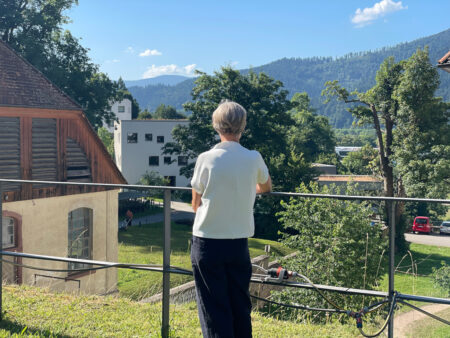
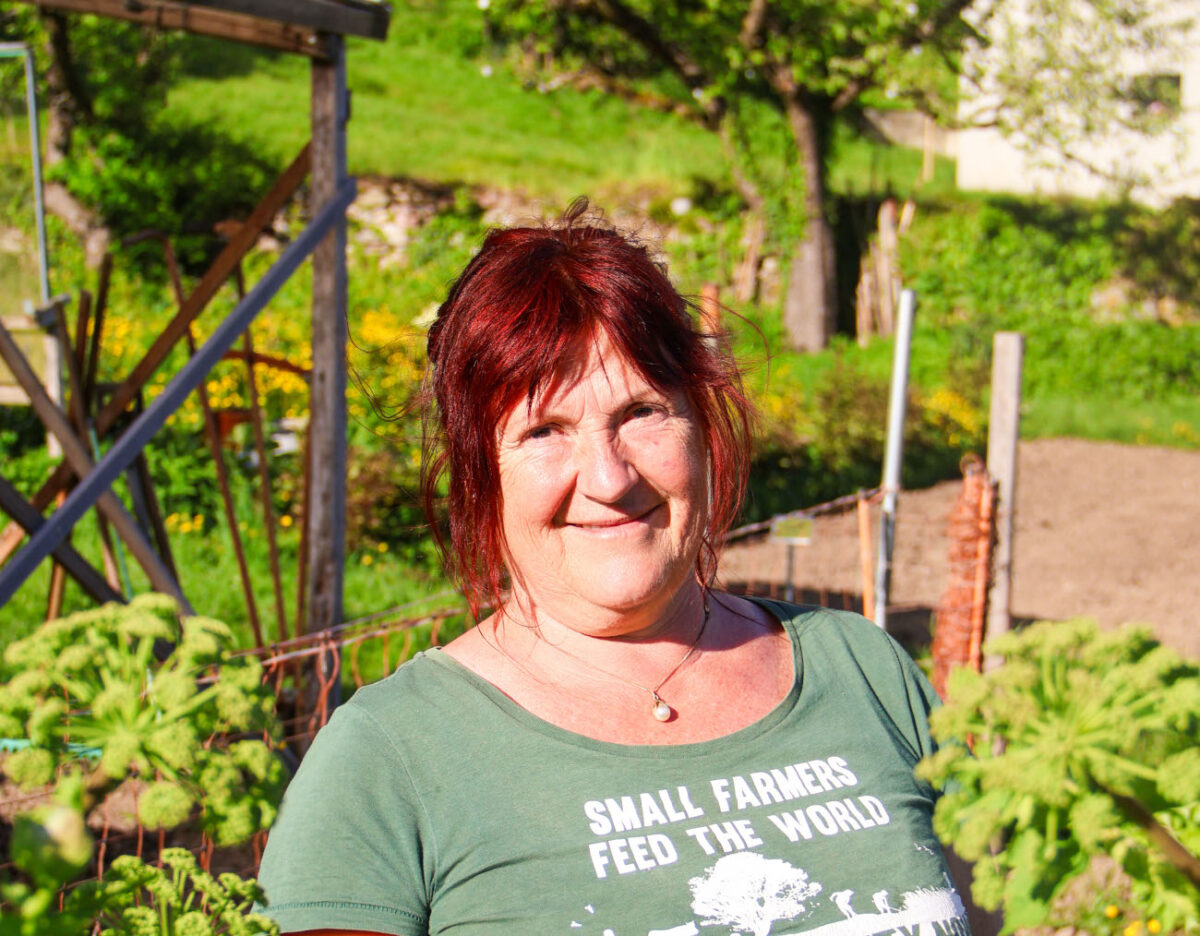
Eva smiles contentedly as we sit on a bench overlooking the 2,000-square-metre school garden.
“It’s wonderful to see how all of this is now bearing fruit.”
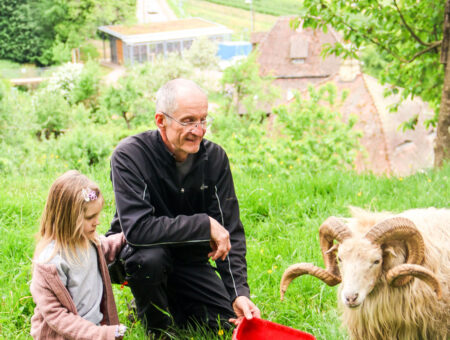
She is referring to the monastery garden, more than 600 years old, which under her guidance has become an integral part of school life over the past decade. Every day, students come here to harvest, learn, feed the animals, or simply find a moment of peace. Its sunny location, remarkable diversity of plants, and centuries-old protective walls make it a unique retreat amidst the vibrant rhythm of life at UWC.
For the past ten years, students have cultivated the garden together with Eva Schüle and her team as part of their CAS programme—organically, mindfully, and in harmony with the changing seasons. Over time, a vibrant programme has emerged at the intersection of nature’s cycles and the rhythm of the school year.
“We focus on whatever the garden needs,” Eva explains. “That changes from season to season. What’s most important to me isn’t exactly what students learn here—that’s different for everyone. What matters is that they experience it as something enriching.”
An important part of this development has been the garden volunteer programme, which has steadily grown over the years. Every Friday afternoon, volunteers come together to work in the garden and take responsibility for its care—even throughout the summer months, when school is out of session. As a result, the garden remains a place that is continuously cared for and sustained by the community.
Eva’s connection to this place stretches back much further. Since the 1990s, she and her husband have cultivated the garden together. With patience, experience, and conviction, they transformed what had once been a traditional ornamental garden into a diverse productive garden, while also converting it to organic cultivation. Alongside the vegetable beds and growing areas, Eva and her team now also care for around 140 fruit trees across the campus.
The founding of UWC Robert Bosch College marked the beginning of a new chapter. What had once been a privately managed garden became a place of learning. A key influence in this transformation was former Academic Director Christian Bock, whose commitment to place-based education encouraged learning rooted in real places and lived experience. For Eva, his ideas affirmed what she had long practised—and provided the foundation for integrating the garden even more deeply into the College’s educational approach.
Today, the garden is a central part of campus life. This becomes especially visible during shared moments throughout the year: when new students arrive and gain their first experiences in the garden, or on Spring Day, when the entire school community comes together to plant, create, and continue shaping this special place.
Eva’s approach is built on trust in the process. “I like working behind the scenes, holding the threads together,” she says.
She believes that things should be allowed to emerge, grow, and evolve.
“When different perspectives come together, something new can emerge.”
In this way, the garden has become a space of resonance—not only for plants, but also for people. It is a place where encounters happen, where people work together, but also where simply being is enough.
“It doesn’t matter whether someone contributes a lot or only a little. What matters is that people find their place here.”
This openness is reflected in the garden itself. Alongside traditional crops, visitors now find more unusual plants such as sweet sorghum and Job’s tears—ideas often introduced by the College’s international student community.
In August, Eva handed over responsibility for the garden to her successor, Leonie—a long-time garden volunteer, trained educator, and member of Weltacker Freiburg. For Eva, this transition is a conscious part of the process.
“Handing things over matters. It requires trust—and the willingness to truly step aside so that something new can grow.”
The transition has been shaped by close collaboration and ongoing dialogue, providing a foundation for both continuity and future development.
Looking back today, Eva does so with gratitude. What began as a private initiative has become a living system, sustained by many people. “The garden is my life’s work—but not in the sense of something finished. Rather, as something I have had the privilege of building together with others.”
As we stand up and take one last look across the garden beds and fruit trees, it becomes clear what she means: this is a place in constant motion—deeply rooted, yet always open to what comes next.