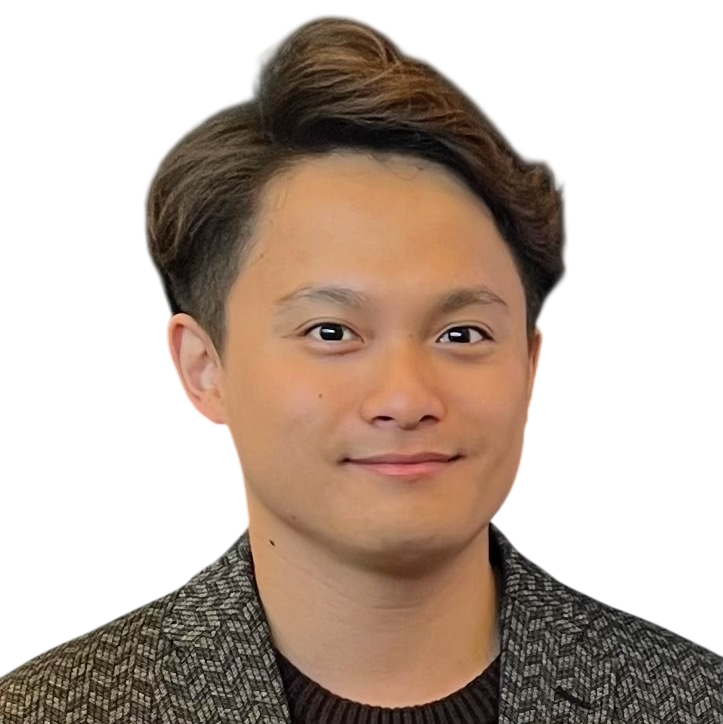
Alumni Spotlight: Kento (Class of 2018)
From Insecurity to Common Humanity: Kento’s UWC RBC Journey
In 2014, Kento sat in a national English speech contest in Japan, surrounded by students from across the country, when he overheard something that shifted everything: people were studying abroad during high school. He didn’t really think that was possible. Back home in Hiroshima, at his traditional Jesuit boys’ school, such ideas weren’t part of the conversation. Curious, he searched online in Japanese “high school studying abroad” and UWC appeared. He attended an information session and was instantly mesmerised by students sharing their experiences. When he applied and was accepted to UWC Robert Bosch College with full scholarship, the excitement was overwhelming. With a somewhat silly but genuine love of German cars tipping the scales, Germany became his first choice. When the acceptance came, it felt surreal—like winning a lottery he’d barely dared to enter.
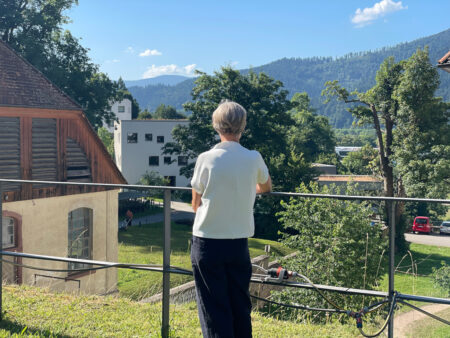
Kento arrived at RBC a day late after his flight from Tokyo to Frankfurt was cancelled mid-boarding, exhausted and disoriented. But he remembers grounding himself quickly, the next morning’s excursion into Freiburg, the immediate warmth of people wanting to know him, and the literal grounding presence of the Black Forest surrounding the campus. Still, the first year was harder than he’d expected. Having left his prestigious school mid-stream, he felt an acute, almost paranoid pressure not to fail. He’d never taken classes in English before and often couldn’t follow what was happening, especially in subjects like anthropology – a word he didn’t even know how to pronounce when he enrolled. He spent weekends studying alone, convinced he’d fail and have to explain it to friends back home.
There was also a quieter struggle: a teenage insecurity that he wasn’t interesting enough, that he was just “the nice Japanese guy who brings cool pens.” Japan’s more reserved culture clashed with RBC’s openness, and he worried he didn’t have enough friends or wasn’t showing them properly even if he did. But somewhere in that first year, both pressures began to ease. The academics started making sense. The comparisons with others started feeling pointless—not because he gave up, but because he realised everyone was so wildly talented in such different ways that the internal ladder he’d been climbing simply collapsed. There was no point competing. He might as well just be himself.
Two insights from RBC have stayed with Kento ever since, shaping everything that followed. The first was an embodied understanding of common humanity—not just knowing intellectually that “we’re all human,” but genuinely feeling it, living it daily with people from everywhere. The second was the release that came from letting go of comparison. Both realisations were quiet, almost invisible at the time, but they’ve proven foundational. After graduating in 2018, Kento went to Brown University to study public health and anthropology—the very subject he’d once enrolled in while he couldn’t pronounce it.
It was anthropology at RBC, classes with Natasha and Alex, that ignited his interest in social disparities in health and led him to abandon his original plan of attending medical school in Japan. He completed a five-year combined bachelor’s and master’s programme, and in the midst of that journey, he discovered mindfulness. It wasn’t something he’d practised at RBC, but it became central to how he understood the world and his place in it. In 2021, he co-founded Mindful Awareness Cultivation (MAC), an international non-profit working across four countries to bring intercultural mindful dialogue into high schools—essentially trying to create for Japanese teenagers what RBC had given him: a space to feel common humanity, to connect across difference, and to grow without the weight of endless comparison. Today, he’s pursuing a PhD in Human Development and Family Studies at Penn State University, continuing to research and refine the practices that help people flourish.
Kento’s story is one of transformation that didn’t announce itself loudly but settled in deeply. He arrived at RBC terrified of failing, left with a conviction that comparison was pointless, and has spent the years since building spaces where others can experience the same shift. The boy who once Googled “studying abroad” in Japanese is now creating pathways for students in Hiroshima, and beyond, to step outside their own worlds and discover what he did on a hilltop in Freiburg: that we’re all just human, trying our best, and that’s more than enough.